
HONGFA / Selection & project planning
Selection & project planning
A useful component request has four parts: a clear application, an identified assembly, a controlled drawing and agreed review points. This guide helps you prepare those inputs without turning a catalogue code into an engineering assumption.
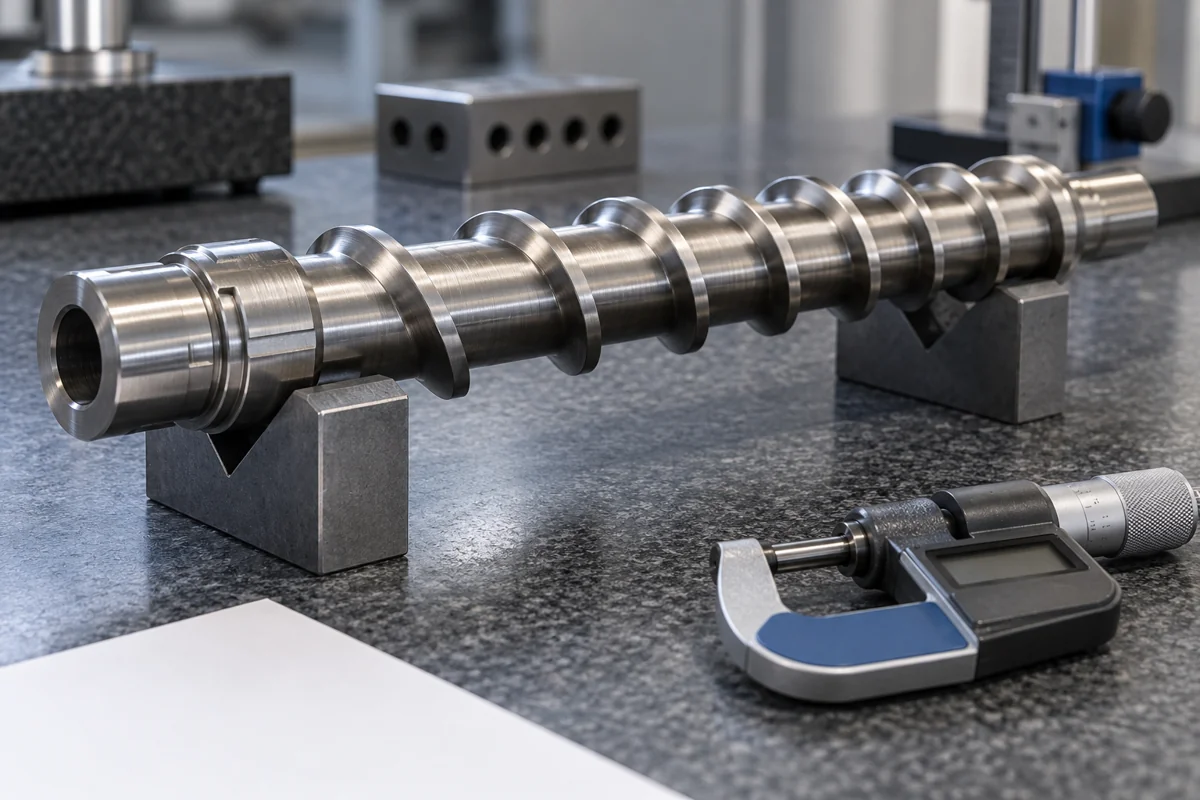
01 / Identify the assembly
Name the machine and process. Specify whether the item is a conical pair, parallel pair, single screw, barrel or front-end part. State what will remain in the machine and what is to be replaced.
02 / Establish one drawing reference
Use drawing number, revision and units. Mark interfaces, critical dimensions and any measurement locations. If the drawing is incomplete, list the gaps explicitly and attach photographs as context rather than dimensional proof.
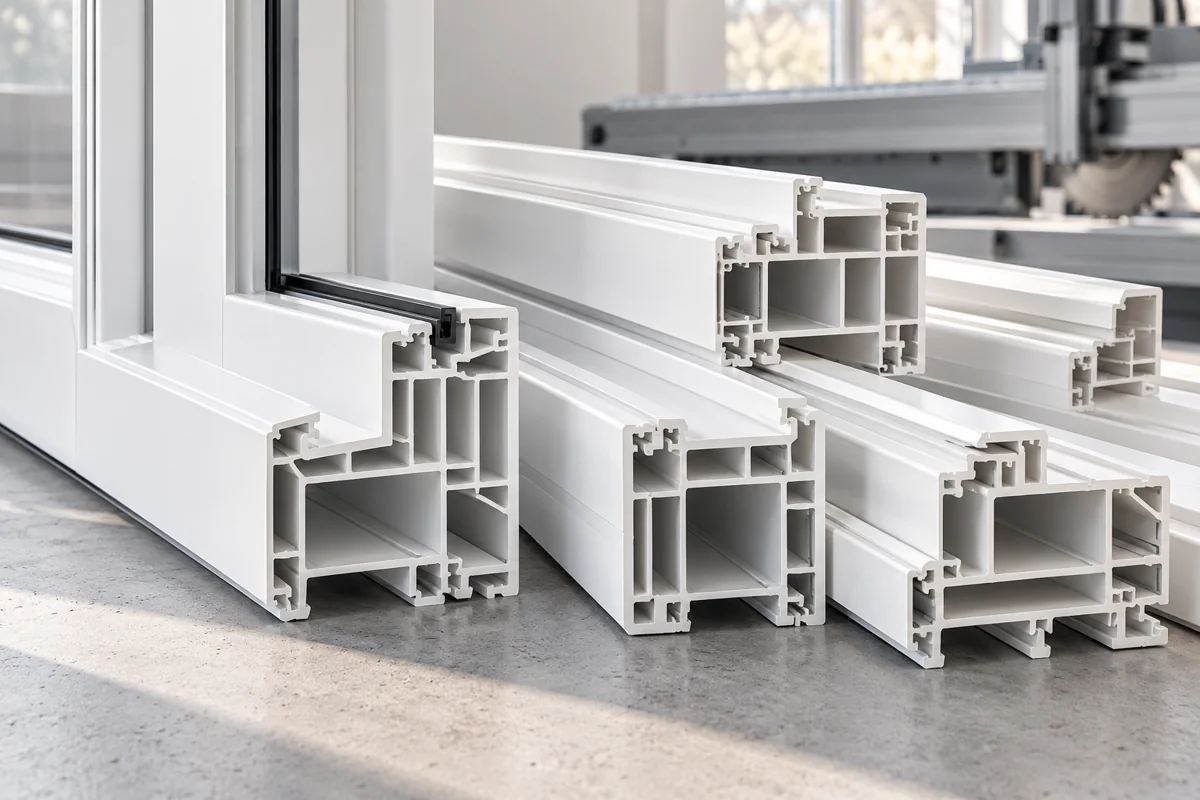
03 / Define acceptance before comparison
Agree on the material information, inspection record and fit-related features needed for review. Then use the local project brief or downloadable worksheet to keep the same requirement across every subsequent conversation.
| Review point | Record for the project | Why it matters |
|---|---|---|
| Geometry | Part drawing, revision, units and mating features | A component code does not define every interface. |
| Material & construction | Body grade, working surface or liner, treatment route | Body and working surface need separate descriptions. |
| Operating context | Polymer, formulation, filler and observed changes | A material comparison needs the application context. |
| Acceptance | Measurement positions, method and agreed criteria | The same basis is needed when comparing parts. |
Project downloads
A better brief.
A clearer next step.
Organize the machine, material, drawings and open questions before a technical discussion.